
Investing in Bellingham multifamily property is one of the most dependable ways to build long-term wealth in Whatcom County. Steady demand for housing near Western Washington University, local employers and growing neighborhoods keeps duplexes, fourplexes and apartment buildings in focus for buyers. The best results come from clear goals, careful review of the income and expenses and a local team that knows each neighborhood.
In This Guide
- Why Bellingham and Whatcom County Multifamily
- Types of Multifamily Property
- Benefits of Owning Multifamily
- Start With Clear Goals
- How to Evaluate a Multifamily Property
- How Location Affects Returns
- Tips for First-Time Multifamily Buyers
- Being a Landlord or Hiring Property Management
- Working With a Local Multifamily Agent
- Bellingham Multifamily FAQ
Why Bellingham and Whatcom County Multifamily
Bellingham is the commercial center of Whatcom County. Higher education, healthcare, tourism, manufacturing and regional employment all support steady demand for housing here, and that demand reaches out to Ferndale, Lynden, Blaine and the smaller communities across the county.
Housing supply has stayed limited in many of these communities, which keeps well located multifamily buildings in demand with buyers. Apartment buildings are one of the most closely watched property types in Northwest Washington, and buyers continue to focus on well maintained properties with strong occupancy history and long-term demand for housing.
For the latest local numbers, read our Bellingham Multifamily Market Report for October 2026, and see the bigger picture on our Bellingham and Whatcom County commercial market page. When you are ready to look at what is available today, browse Bellingham apartment buildings for sale.
Types of Multifamily Property
A multifamily property is any residential building with two or more separate living units under one ownership. Each unit has its own living area, kitchen and bathroom. Here are the main types you will see in Bellingham and Whatcom County:
- Duplexes: Two units on one property. A popular first step, especially for buyers who plan to live in one unit.
- Triplexes: Three units, adding a third income stream while staying small enough to manage personally.
- Fourplexes: Four units. A strong balance of income, scale and hands-on management for new and experienced investors alike.
- Small apartment buildings: Five units and up. These are typically valued and financed as commercial property.
- Larger apartment buildings: Bigger communities that are usually run with professional property management and evaluated as commercial investments.
Properties with two to four units typically qualify for residential financing, while five or more units fall under commercial lending. Knowing which category a property fits into helps you understand financing, valuation and the buyers you will compete with. For a closer look at the smaller options, read Should You Buy a Duplex, Triplex or Fourplex in Bellingham?

Benefits of Owning Multifamily
Buying a multifamily property is a bit like buying a small business. Each unit is an income stream, and the value of the property follows how well it performs. That is what makes multifamily such a strong wealth builder:
- Several income streams: Multiple units under one roof spread your income across more than one household, which supports steadier cash flow.
- Long-term appreciation: Property values in a supply-limited market like Bellingham tend to grow over time, and improvements to income raise value too.
- Scale in one location: You add units without adding addresses, roofs and yards to look after across town.
- Financing based on the property: Lenders look at the income of the building along with your personal finances, especially on five units and up.
- Tax advantages: Depreciation, deductions and the option of a 1031 exchange help you keep more of what you earn and trade up into larger buildings. Your CPA can tell you how these apply to you.
- A housing option for you: Living in one unit of a duplex or fourplex can lower your own housing costs while the other units bring in income.
Start With Clear Goals
Before you start touring buildings, write down what you want your investment to do. Clear goals guide every decision that follows. Ask yourself:
- Is my main goal monthly cash flow, long-term appreciation or both?
- Do I want to live in one of the units?
- Am I planning a buy-and-hold property, a value-add project or a first step toward larger buildings?
- How hands-on do I want to be with upkeep, repairs and day-to-day management?
A written plan brings clarity when the market shifts or a new opportunity appears. Buyers who plan ahead move with confidence, and in a competitive market like Bellingham that confidence makes a real difference.
How to Evaluate a Multifamily Property
Every building tells a story about its future returns. Evaluate it from two sides: what tenants value and what the numbers show.
Location
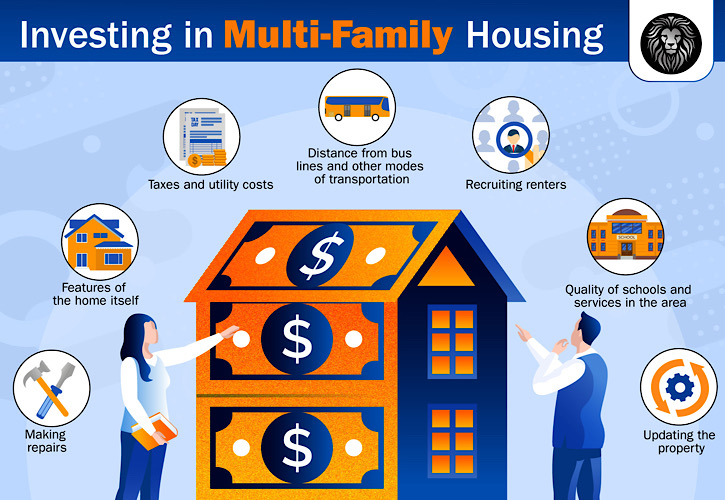
Location matters even more with multifamily than with a single home, because every unit has to appeal to the tenants who will live there. Look at access to jobs, schools, shopping, parks and bus lines, plus parking and walkability. Neighborhoods with new construction and steady demand for housing are a good sign.
Condition
Walk every unit, not just the one that is open on the tour, and see each home from a tenant’s point of view. Review roofs, plumbing, electrical, heating, windows, siding and drainage. Updated interiors, private entries and in-unit laundry all help a building hold strong occupancy. Older Bellingham buildings often have charm and great locations, so plan for future updates in your budget.
Income
Ask for the income history of the property, ideally the trailing twelve months (T-12) and several years of profit and loss statements. Look at occupancy over time and how each unit compares with similar units nearby. Base your offer on verified income, not on projections alone.
Expenses
List every operating cost: property taxes, insurance, utilities the owner pays, maintenance, repairs, property management and reserves for future projects. Subtract these from the income to find the net operating income (NOI), the number that drives the value of the building. Our post on how to calculate the value of a multi-family property walks through NOI and cap rate step by step.
Financing Basics
Get pre-approved before you start your search so you know your buying power. For two to four units, conventional loans and owner-occupied options may apply. For five or more units, commercial financing is typically based on the income of the property and its debt service coverage ratio (DSCR). Some lenders only finance up to two units, so talk with a lender who works with multifamily often and compare terms. Down payment, credit and debt-to-income ratio all play a part in qualifying. Good insurance, including property and general liability coverage, belongs in your plan from day one.
Due Diligence
Once you are under contract, due diligence confirms what you are buying. A typical review includes:
- A financial review of income and expenses
- A market review of comparable buildings and occupancy
- A property condition assessment and inspection
- A walk through every unit
- An appraisal
- A title report and site survey
- An environmental review when your lender requires one
- A zoning and permit check
Completing these steps lets you buy with peace of mind and gives your lender what it needs for approval.
How Location Affects Returns
Every part of Whatcom County has its own character, and that shapes who lives there, how quickly units fill and how values grow. Here is how we think about some of the most active areas:
- Western Washington University and Sehome: Steady demand for housing from students, faculty and staff keeps nearby units in demand. Walkability and bus access to campus add value. Read more in How Western Washington University Impacts the Bellingham Multi-Family Market.
- Fairhaven: A historic, walkable village with shops, restaurants and waterfront trails. Buildings here appeal to residents who want character and lifestyle.
- Lettered Streets and York: Older homes and small multifamily buildings close to downtown. These neighborhoods attract residents who love being near the core of the city.
- Cordata and Barkley: Newer construction with shopping, healthcare and employers nearby. Cordata is home to many newer apartment buildings, and Barkley offers a convenient mix of retail and housing.
- Sunnyland: A central neighborhood close to downtown and Interstate 5 with a mix of homes and small multifamily.
- Ferndale: A growing city north of Bellingham with business parks, freeway access and newer housing. Explore Ferndale multifamily properties.
- Lynden: A close-knit community with a strong downtown and steady local demand for housing. See Lynden multifamily properties.
- Blaine: A border town with waterfront views and access to Canada. See Blaine multifamily properties.
A well positioned fourplex in a growing neighborhood often outperforms an older building in a slower one. For countywide options, browse Whatcom County apartment buildings and multifamily.
Tips for First-Time Multifamily Buyers
- Do your market research. Compare similar buildings, occupancy and neighborhood plans. Visit the areas you like at different times of day. Talk with property managers and local agents to learn what tenants value most in each neighborhood.
- Think long term. Analyze the property as if you will own it for ten years. Small changes in income or expenses add up over time.
- Consider living in one unit. Many successful investors start with a duplex or fourplex, live in one unit and grow from there.
- Budget for reserves. Set money aside for maintenance, updates and quiet months so your cash flow stays steady.
- Look for value-add opportunities. Better management, energy-efficient upgrades, added storage or parking and thoughtful updates can raise income without a major remodel. Each increase in NOI raises the value of the building.
- Decide how you will manage it. You can be a hands-on landlord or hire a property manager to handle the day-to-day details. There is more on each path below.
- Build your team. A local agent, lender, inspector, property manager and CPA each bring a different perspective and help you make decisions based on experience.
- Keep the big picture in view. Over time, equity, appreciation and 1031 exchanges let owners trade into larger buildings across Whatcom and Skagit Counties.
Being a Landlord or Hiring Property Management
Once you own a multifamily property, you become a landlord. Some owners enjoy managing their own buildings, while others prefer to hire a property manager. Both paths work well when the plan fits your goals and your time.
If you manage the property yourself, your role includes:
- Finding and screening tenants
- Handling repairs and maintenance
- Updating units between residents
- Keeping clear records of income and expenses
- Communicating with tenants and resolving concerns
Careful tenant screening is one of the most valuable habits a landlord can build. Quality tenants who care for their homes and stay for the long term support steady occupancy and lower turnover costs.
A property manager can take on the day-to-day details, from screening tenants to coordinating repairs and handling the trickier parts of the landlord-tenant relationship. That frees up your time and makes it easier to own more than one building.
Whichever path you choose, take time to learn Washington landlord-tenant law and local Bellingham rules. Knowing your responsibilities from the start builds strong relationships with your tenants and supports the long-term value of your investment.
Working With a Local Multifamily Agent
Multifamily transactions call for specific local knowledge. A strong multifamily agent knows how to value a building using NOI and cap rate, which lenders work well with investors, how to spot buildings with room to grow and what drives demand for housing in each neighborhood.
We have more than 25 years of experience with duplexes, fourplexes and apartment buildings across Bellingham and Whatcom County. We help buyers set goals, review the numbers, find the right building and complete due diligence with confidence. When the time comes to sell, our guide to selling a multi-family property covers pricing, preparation and marketing.
Ready to start? Browse current Bellingham multifamily listings or contact us to talk about your goals.
To see multifamily and other income property for sale today, visit our Bellingham commercial real estate page. Looking outside Bellingham? See Ferndale commercial real estate, Lynden commercial real estate and Blaine commercial real estate.
Bellingham Multifamily FAQ
Is multifamily a good investment in Bellingham?
For many buyers, yes. Bellingham is the commercial center of Whatcom County, and steady demand for housing from Western Washington University, healthcare and local employers keeps well located duplexes, fourplexes and apartment buildings in demand. The best investments start with clear goals and a careful review of the income, expenses and condition of the property.
What counts as a multifamily property?
A multifamily property is a residential building with two or more separate living units under one ownership, such as a duplex, triplex, fourplex or apartment building. Properties with two to four units typically use residential financing, while buildings with five or more units are usually financed and valued as commercial property.
What should I review before buying a multifamily property in Bellingham?
Review the location, the condition of every unit and major systems, the income history and occupancy, all operating expenses and the net operating income. During due diligence, plan for an inspection, an appraisal, a title report and any reviews your lender requires.
Who is the best real estate agent for multifamily property in Bellingham?
Josh and Jolene Baijot are Bellingham real estate brokers with over 25 years of experience with duplexes, fourplexes and apartment buildings across Bellingham and Whatcom County. Call us at (360) 223-4501.
Talk to us about multifamily property in Bellingham
Helping buyers and sellers across Bellingham and Whatcom County
