
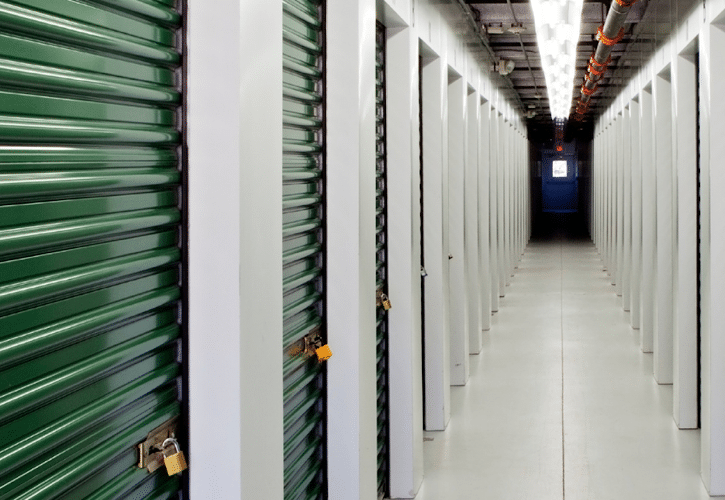
 The storage facility industry is a booming businesses with great potential. The acquisition of mini storage units has seen unprecedented demand. However, buying a mini-storage facility presents difficulty for commercial real estate buyers due to the cost and labor involved. Most of these complications are resolved once a systematic approach is provided to serve as a guide.
When it comes to buying a mini-storage facility or unit, two primary options are available. You can either buy a newly built mini storage or an existing mini-storage.
Consider the location of the storage facility
An essential step in your research when buying a storage facility is a genuine consideration of its location. Not just any place will serve the purpose for which you’re purchasing a storage facility. In evaluating a mini-storage facility’s potential site, consider the location’s visibility, accessibility, and effectiveness carefully.
The condition of the facility
This stage is the best time to check out for essential details and potential problems. A careful inspection of the storage facility will help determine whether repairs and maintenance have not been neglected on the facility. You should duly check the condition of the facility’s offices/showrooms, security cameras, access gates, and so on. If any maintenance works need to be undertaken, you should consider and estimate the cost of fixing those repairs.
You must carefully analyze information
Your research process should also include information integrity analysis, and this is when auditing and the due diligence process are meticulously carried out. This due diligence process informs the buyer on the quality of tenants in the storage facility and the ease with which to collect rent. Information provided by the owner or broker must be subjected to careful analysis and interrogations while conducting a facility audit. The audit should include assessing business assets, financial documents, tax statements, tenancy contracts, and occupancy reports. During the audit, you must carefully scrutinize all records or documents presented by the owner and question any inconsistencies you come across.
Ask questions and do your due diligence
If it’s not new but an existing storage facility, you should also question why the owner is selling the facility and the details on the owner and staff’s movement after the sale. As a commercial real estate buyer, you’re making a considerable investment, so at this stage, do not hesitate to ask questions or seek clarifications.
Weigh your options
The specifications of various storage facilities for sale have been made available to you through your research. The next step is to compare your options based on location, condition, the number of units available at the facility, price, type of storage units, staff, and population in the area surrounding the facility.
 Hi! We’re Josh and Jolene Baijot, the creators of this website. We’re also Commercial Real Estate Agents in Washington State. Thank you for taking the time to read this blog post. We appreciate your time spent on this site. You can connect with us on Facebook, Instagram, or contact us through this website.
