
To buy a mobile home park in Whatcom County, start with clear financing, study the seller’s profit and loss statements and complete careful due diligence on the land, utilities and zoning. Owning a mobile home park can deliver steady income because residents usually own their homes and stay for years. Here is how we guide buyers from the first search to closing day.

Why Buyers Like Owning a Mobile Home Park
Mobile home parks are a focused corner of commercial real estate with a lot to offer the right buyer. Here is what draws investors to them:
- Lower cost per unit. Compared with apartment buildings, a mobile home park is often a fraction of the cost per lot, especially when you buy the land and the residents own their homes.
- Focused maintenance. As the owner you care for the grounds, roads and shared utilities, while residents repair and maintain their own homes.
- Strong demand. Many communities need more affordable housing, and mobile home parks help meet that need.
- Low turnover. Residents who own their homes tend to stay put, which supports steady occupancy and income.
- Motivated individual sellers. Many parks are owned by individuals rather than corporations. When those owners are ready to retire, buyers have a real opportunity.
- A less crowded niche. Mobile home parks are not the first thing most people think of when they hear real estate investing, so you can find good deals with fewer competing buyers.
Choose the Right Location
Start by deciding where a park makes the most sense. Look for strong demand, nearby jobs and easy access to shopping, schools and services. In Whatcom County, buyers often look in and around Bellingham, Ferndale, Lynden and Blaine, where housing demand is steady and residents value a community setting. Once you settle on an area, search online and keep an eye on new parks as they come to market.
Line Up Your Financing
Get pre-qualified before you make an offer. Common ways to finance a mobile home park include:
- Bank loans. Traditional financing through a bank or credit union.
- Seller financing. The seller carries the loan, which can be a great fit when an owner is retiring.
- Private investors. Partnering with private equity or a small group of investors.
Learn your lender’s loan terms early, including any minimum number of pads they require. Knowing those details up front helps you focus on parks that fit.
Evaluate the Park’s Value
Before you make an offer, qualify the property using the profit and loss statements from the seller or the seller’s broker. Then look at value from a few angles:
- Cap rate. Compare the net operating income to the purchase price.
- Market comparisons. Compare the park with similar parks that have sold in the area.
- Income streams. Include lot income, home sales and any additional fees.
- Occupancy. A high occupancy rate shows a stable, well run park.
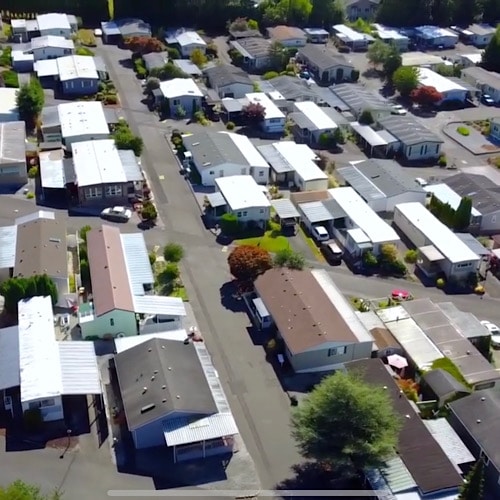
Complete Your Due Diligence
Once your offer is accepted, due diligence confirms the physical and financial condition of the park. Your lender will want this information before it funds the loan. We walk our buyers through:
- Infrastructure. Check the condition of water, sewer, electrical service and roads.
- Homes. Note the condition of the homes, especially any that the park owns.
- Financials. Review income, expenses and tax records.
- Environmental review. Confirm the land is clean and ready for long term use.
- Zoning. Verify the park’s zoning and permitted use with the city or Whatcom County.
- Park rules and local law. Make sure the park has clear rules and that you understand Washington’s manufactured and mobile home landlord tenant laws.
Plan for Operating Costs and Management
Typical operating costs include upkeep of common areas and infrastructure, utilities such as water, sewer, trash and electricity, management and property taxes and insurance. Smaller parks are often self managed, while larger parks may benefit from a property management company that brings experience and efficiency. The right choice depends on the size of the park and how involved you want to be.
Grow the Value of Your Park
Closing on your first park opens the door to many ways to build income over time:
- Add amenities such as a playground or laundry facility.
- Fill vacant lots with new residents.
- Buy and sell homes within the park.
- Expand the park if extra land is available and zoning allows.
Careful attention to operating expenses and resident satisfaction turns a good park into a strong long term investment.
Whatcom County Mobile Home Parks for Sale
Ready to look at properties? Browse our Whatcom County mobile home parks for sale and see current conditions in our Bellingham and Whatcom County commercial market page. We are happy to walk any park with you and help you compare options.
Mobile home parks are listed alongside other income property on our Bellingham commercial real estate page. Looking outside Bellingham? See Ferndale commercial real estate, Lynden commercial real estate and Blaine commercial real estate.
Buying a Mobile Home Park FAQ
How do I buy a trailer park?
Start by choosing a location with strong housing demand, get pre-qualified with a lender, review the seller’s profit and loss statements and then complete due diligence on utilities, homes, finances, zoning and park rules before closing.
Is owning a mobile home park a good investment?
Owning a mobile home park can be a strong long term investment. Costs per lot are often lower than apartment buildings, residents usually own their homes and stay for years and the owner’s maintenance focuses on the grounds and shared utilities.
What should I check before buying a mobile home park?
Check water, sewer, electrical service and roads, the condition of any park owned homes, income and expense records, environmental reports, zoning and the park rules. Your lender will review much of this information too.
Who is the best commercial real estate agent in Bellingham?
Josh and Jolene Baijot are Bellingham commercial real estate brokers with over 25 years of experience with apartment buildings, warehouses, office, retail and commercial land across Bellingham and Whatcom County. Call us at (360) 223-4501.
Talk to us about commercial property in Bellingham
Helping buyers and sellers across Bellingham and Whatcom County
